
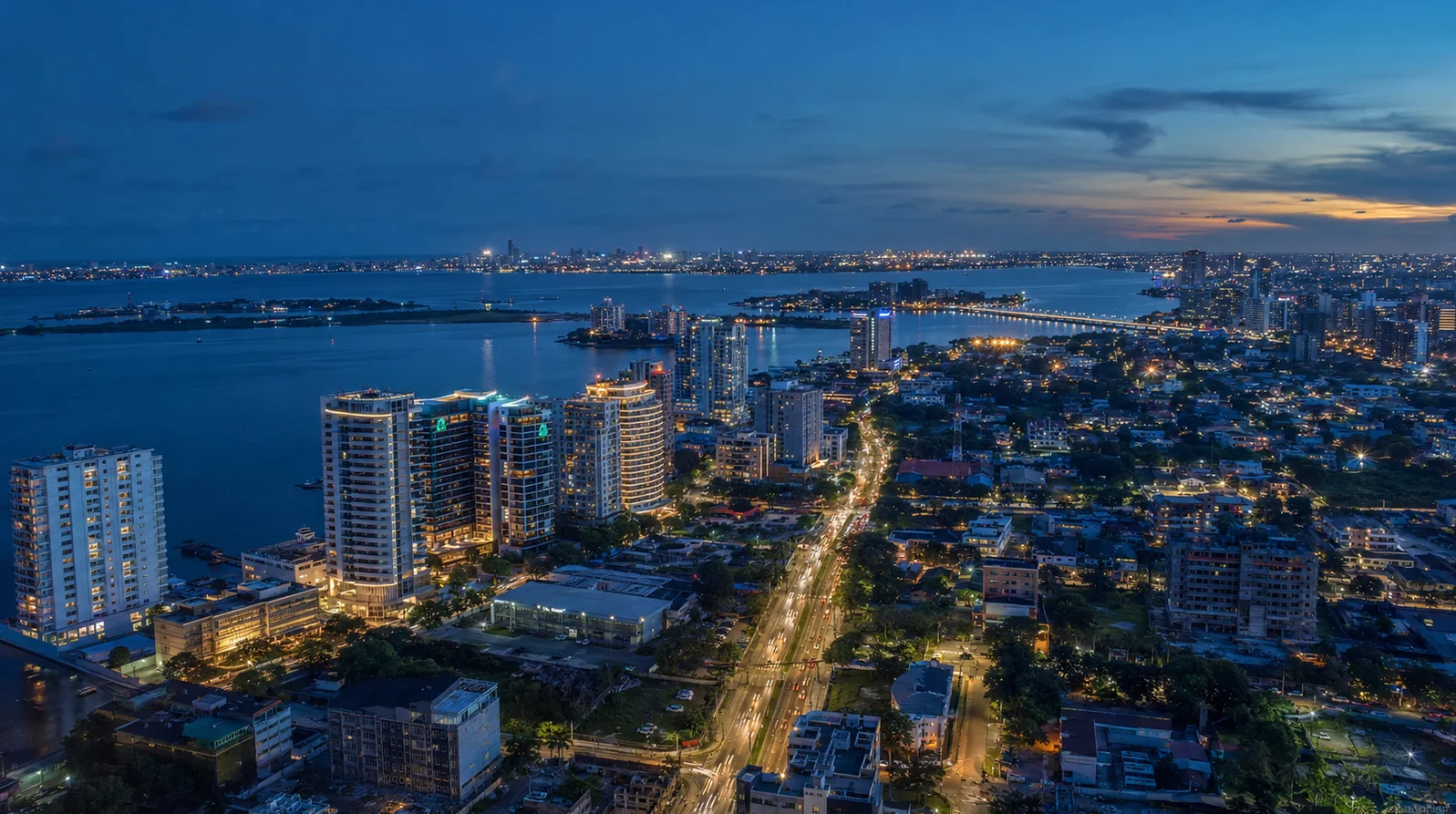
The Truth About Victoria Island Most People Don’t Know
Say “Victoria Island” to most Lagosians and one word comes to mind: expensive. It is a fair reaction, but it misses the more interesting story. Victoria Island, often shortened to VI, is not valuable simply because it is fashionable. It is valuable because of how it grew, who depends on it and what it does for the city’s economy. Understanding that is the difference between buying an address and making an informed investment.
From Quiet Coastline to Commercial Hub
Victoria Island began as a modest stretch of land on the Lagos coast, separated from the mainland and nearby islands by water. Its transformation came as Lagos expanded and as the city’s economy grew from the mid-twentieth century onward. Banks, oil and gas companies, professional firms and hotels slowly settled there, attracted by space for modern offices and a location close to government and trade activity on Lagos Island.
Over time, the area was shaped more by commerce than tradition.. That is why VI feels so different from older parts of Lagos. It grew around business first, and homes followed.
Why Business and Housing Feed Each Other
This is the insight many people overlook: Victoria Island’s residential demand is largely a product of its commercial activity.
When thousands of professionals work in the same district, many want to live close by. Shorter commutes matter in a city known for heavy traffic, and time saved has real value. Expatriates and company executives often prefer VI for the same reason, along with its concentration of international-standard hotels, restaurants and services. As long as businesses keep their offices there, the need for apartments, serviced accommodation and short-stay rentals tends to continue.
The reverse is also true. A neighbourhood full of residents attracts shops, restaurants, gyms and entertainment venues, which make the area even more attractive to employers.
Access, Infrastructure and Lifestyle
VI sits within easy reach of major business addresses, hotels, shopping centres, waterfront spaces and nightlife. Major roads and bridges connect it to Ikoyi, Lekki and Lagos Island, and newer developments such as Eko Atlantic have added to the area’s reputation as a place where Lagos is investing in its future.
That said, a fair picture includes the downsides. Traffic can be severe at peak hours, parking is often limited, and parts of the island are prone to flooding during heavy rain. Many buildings rely on private generators, boreholes and estate management for power and water, and these services affect running costs. Investors who ignore them are often surprised later.
Location and Value: A Closer Look
Location does influence property value. Proximity to offices, good roads and services generally supports both rental demand and resale interest. But “Victoria Island” covers a wide area, and values can vary sharply from one street to the next, and even from one building to the next.
Not Every VI Property Is the Same Investment
VI offers several types of property, and each behaves differently:
- Residential apartments suit long-term tenants such as professionals and families.
- Serviced and short-let units can earn higher nightly income but need active management and depend on visitor demand.
- Commercial space such as offices and retail depends heavily on the wider business climate.
- Land and new developments may offer growth potential but carry the usual construction and delivery risks.
An apartment with strong tenant demand and a reliable building manager is a very different asset from a poorly maintained one in the same postcode.
What to Evaluate Beyond the Address
Before investing, consider:
- Who will rent or buy it? Identify the likely tenant or buyer and check that the property suits them.
- Real running costs. Service charges, power, maintenance and management fees can reduce returns significantly.
- Building quality and management. Good upkeep protects both rent and resale value.
- Documentation. Have your lawyer verify title, approvals, and any developer claims independently.
- Realistic returns. Compare asking rents with what similar units actually achieve, and consider how long a vacancy might last.
- Exit options. Ask how easily the property could be resold or re-let.
The Bottom Line
Victoria Island’s reputation is earned, but reputation alone is not a strategy. Its strength comes from a long-standing link between business activity and housing demand, supported by connectivity and lifestyle. Its risks come from high entry costs, running expenses and uneven quality between properties. Investors who treat VI as an economic district, rather than a status symbol, ask better questions, and better questions lead to better decisions.
This article is for general information only and is not financial or legal advice.

Join The Discussion