
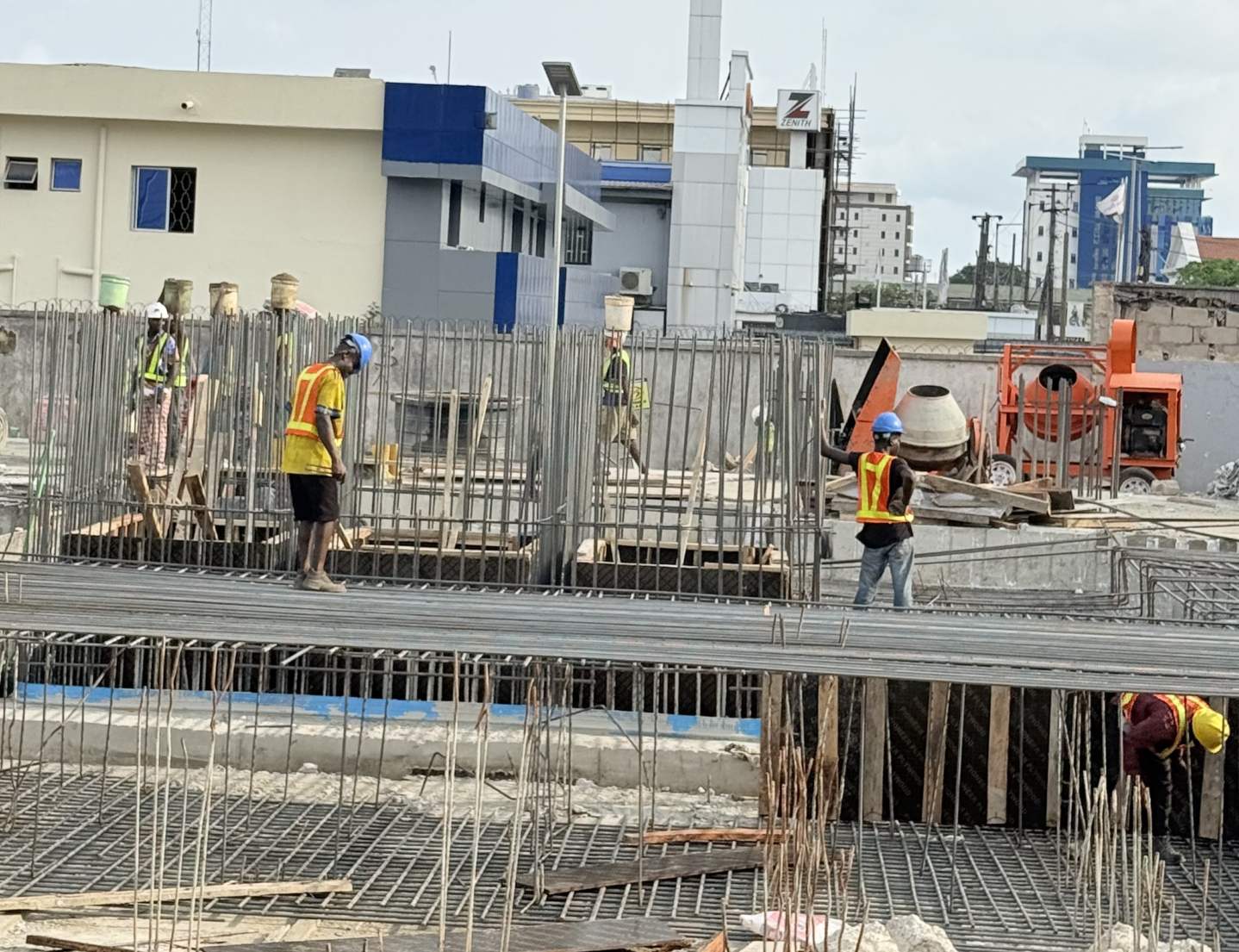
The Benefits, Risks and How to Invest Intelligently.
Lagos is one of Africa’s largest cities, and the demand for housing keeps outpacing supply. The resulting pressure has made off-plan real estate in Lagos popular with first-time buyers, diaspora investors, and experienced property owners. However, buying something that doesn’t exist yet carries real risk. This guide explains how off-plan investing works, where the opportunity lies, and how to protect your money.
What Is Off-Plan Real Estate?
Off-plan means buying a property before it is built, or while it is still under construction. You buy based on drawings, brochures and computer-generated images, pay in stages and receive the property when it is completed.
Why Investors Consider Off-Plan Properties
1. Lower entry price. Developers often offer their lowest prices at launch to raise funds and build early momentum. The same unit may cost noticeably more once the project is finished.
2. Flexible payments. Many Lagos developers spread payments over 12 to 36 months. This makes property ownership possible for buyers who can’t pay in full upfront.
3. Potential capital appreciation. As construction progresses and the surrounding area develops, a property’s value may rise. Buying early means you enter before those increases. Some investors resell before completion, while others hold the property for rental income. Neither outcome is guaranteed, so treat appreciation as a possibility, not a promise.
The Risks You Should Understand
Off-plan investing rewards patience, but it also exposes you to risks that completed properties don’t have:
- Delays: Rising material costs and Naira fluctuations can slow construction.
- Developer failure: A developer may run out of funds or abandon the project.
- Mismatch: The finished property may differ from the brochure.
- Market risk: Prices may not rise as expected, and resale can take time.
- Legal problems: Unclear ownership or land disputes can tie up your investment.
Common Mistakes Investors Make
- Buying because of social media hype or a “limited-time” discount
- Paying a deposit before verifying anything
- Skipping the contract or signing without legal advice
- Paying into a personal account instead of a company account
- Ignoring extra costs such as legal fees, service charges and registration
- Expecting guaranteed returns
How to Do Proper Due Diligence
Check the developer’s track record.
Look for completed projects and visit them. Speak to existing buyers and ask whether they received their properties on time and as promised. Confirm the company is registered with the Corporate Affairs Commission (CAC) and find out how long it has operated. A polished presentation proves nothing, but a history of delivery does.
Verify documents, title, and legal standing.
Ask to see the land title, such as a Certificate of Occupancy, Governor’s Consent, or deed of assignment, along with the survey plan and the building approvals from Lagos State planning authorities. Your own lawyer, not the developer’s, should confirm these at the Lagos State Land Registry and check that the land has no disputes or double allocation.
Understand the payment structure and timeline.
Make sure you know:
- the total price and every extra charge
- the payment schedule and what each payment covers
- the promised completion date
- what happens if the project is delayed, including penalties and refund terms
Insist on written receipts and pay only into the developer’s official company account.
How to Reduce Your Risk
- Construction risk.
Visit the site regularly and compare progress with the payment schedule. Where possible, tie your payments to construction milestones instead of calendar dates.
- Market risk.
Be realistic about returns and keep a financial cushion in case completion takes longer. Avoid investing money you may need within a year or two.
- Developer risk.
Consider starting with a smaller commitment, or choose developers with a proven record. Some buyers use escrow arrangements, where a third party holds funds until agreed milestones are met. Your lawyer can advise on this.
Before you pay anything, you should be able to say yes to these questions:
- Has the developer delivered similar projects on time?
- Are the title documents and approvals verified by my own lawyer?
- Does the contract clearly state the price, schedule, completion date and refund terms?
- Is the location likely to attract tenants or buyers, with access to roads, power and amenities?
- Can I afford to wait longer than promised?
If any answer is unclear, pause and ask more questions.
In Conclusion
Off-plan real estate in Lagos can offer lower prices, flexible payments and the chance of growth, but only for buyers who do their homework. The strongest investors treat a developer’s promises as claims to be tested, not facts to be trusted. Research the developer, verify every document, read the contract closely and stay involved as the project progresses. Approached with patience and discipline, off-plan investment can be a sound part of a property portfolio. Approached with excitement alone, it can become an expensive lesson.
This article is for general information and is not legal or financial advice. Consult a qualified real estate lawyer before making any investment.

Join The Discussion