
The Ikoyi Real Estate Business: What Investors Need to Understand
Ikoyi is among the most talked-about property addresses in Lagos. But a famous address is not the same as a good investment. Ikoyi is best understood as a market with its own demand drivers, pricing logic and risks. This article explains how the Ikoyi real estate business works, so you can look past the prestige and assess the opportunity clearly.

Why Ikoyi Stays in the Spotlight
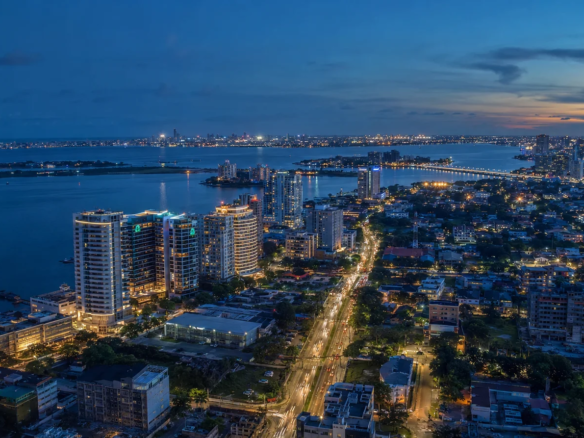
Ikoyi has long been regarded as a prime location in Lagos. It combines a central position, established roads and a reputation for quiet, tree-lined streets and high-end living. It sits close to Victoria Island and Lagos Island, which are major business areas, and it is connected to the Lekki corridor, which makes it convenient for professionals who move between these parts of the city.
How the Market Has Changed
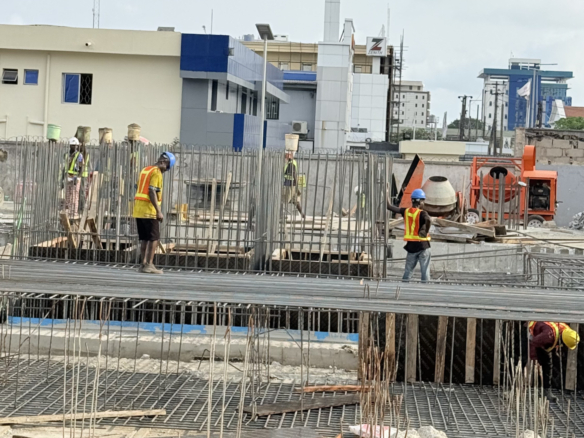
Ikoyi began as a low-density residential area, known for large plots and spacious houses. Over the decades, many of those older properties have been replaced by apartment buildings and luxury developments, as owners and developers recognised that land in the area could be used more intensively. Nearby gated developments such as Banana Island, built on reclaimed land, added to the pool of high-end housing. The result is a market where old colonial-era-style houses, modern apartment blocks and ultra-luxury residences exist side by side.
What Types of Property Are Available
- Apartments and penthouses in newer high-rise or mid-rise buildings, often with shared facilities
- Detached and semi-detached houses, usually on larger plots
- Terraced homes within gated estates
- Commercial and mixed-use buildings, including offices
- Land and redevelopment sites, which are scarce and often complex
Who Drives Demand
Demand comes from several groups: senior executives, business owners, professionals, diplomats, expatriates and returning Nigerians. Corporate tenants play an especially important role. Companies often rent homes for their staff and may sign longer leases, which can bring stable income for landlords. But this demand depends on the health of the wider economy. If companies cut housing budgets or relocate, demand can shift quickly.
What Shapes Property Values
Several factors influence what a property is worth:
- Scarcity of land. Ikoyi has limited space and little room to expand. This often supports prices, but scarcity alone does not guarantee growth, and it makes each property’s specific features more important.
- Building quality and management. Well-run buildings with reliable power, water and security usually hold their appeal better.
- Legal clarity. Properties with clean, verified documents are easier to sell, finance and rent.
- Access and surroundings. Road conditions, drainage, traffic and nearby amenities affect everyday life, and therefore demand.
- Wider economic conditions. Exchange rates, interest rates and building costs all feed into prices.
Buying to Live vs. Buying to Invest
A home you plan to live in can be justified by comfort, security and lifestyle. An investment must justify itself with numbers. Investors should ask what rent the property can realistically earn, how long it might sit empty between tenants, and what it will cost to run. High purchase prices can mean a modest rental return relative to the money tied up, so the comparison matters.
Challenges to Weigh
Ikoyi has real drawbacks. Entry prices are high, which limits the number of potential buyers when you want to sell. Service charges and maintenance can be substantial. Some buildings depend on private power and water. Traffic and flooding affect parts of the area. Title disputes also occur in prime Lagos locations, which is why verification matters. Rental income can fluctuate with the broader economy and with tenant demand.
What to Check Before You Buy
- Verify ownership and title. Have your own lawyer confirm the documents with the relevant Lagos State authorities.
- Check building approvals and that the structure matches what was approved.
- Review the developer or seller’s track record, including completed projects.
- Understand all costs, including legal fees, taxes, service charges and maintenance.
- Study comparable rents and sale prices for similar properties nearby, using multiple sources rather than a single agent’s claims.
- Plan your exit. Consider who the next buyer or tenant is likely to be.
A note on figures: this article avoids quoting prices or returns, because they change quickly and vary by property. Before relying on any number, ask where it came from and when it was collected.
The Takeaway
Ikoyi is a serious market with real strengths, including location, limited land and steady interest from corporate and high-income residents. It also demands careful scrutiny. The strongest investors look beyond prestige and ask practical questions about legal safety, running costs, tenant demand and their own financial goals. Appreciation and rental income are possibilities, not promises, and the best protection is thorough research.
This article is for general information only and is not financial or legal advice.

Join The Discussion